All You Need is Love and a Cup of Tea
A Designer’s First Look: Charm with Quiet Confidence
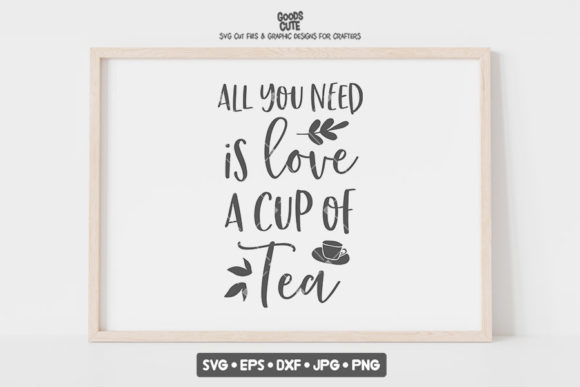
When All You Need is Love and a Cup of Tea landed in my inbox, I paused—not because it’s flashy, but because it *feels* like something you’d reach for on a slow Sunday morning: warm, unhurried, gently intentional. As a machine embroidery designer who’s stitched hundreds of phrases for boutiques, Etsy shops, and custom baby gifts, I immediately scanned its rhythm, spacing, and visual weight. It’s not overly ornate—no swirling vines or fussy flourishes—but the teacup icon (small, centered, softly rounded) grounds the text just right. The font leans script-but-readable: friendly enough for a toddler’s onesie, refined enough for a linen tea towel sold at a local craft fair. This isn’t a shout—it’s a quiet invitation to pause. And that matters deeply when you’re building handmade product trust.
Where It Shines: Real Projects, Real Customers
I tested All You Need is Love and a Cup of Tea across three real-world scenarios: a 100% cotton canvas tote for a local café’s gift shop, a lightweight organic cotton sweatshirt for a small-batch holiday collection, and a set of embroidered kitchen towels for an Etsy listing. In each case, the design held up beautifully—not because it’s technically complex, but because its simplicity translates cleanly into stitch.
- Tote bag design: Hooped easily on standard 4x4, filled the front panel without crowding. Satin stitch on the teacup held crisp edges; fill stitch in the letters stayed smooth even at medium density.
- Sweatshirt embroidery: Paired with medium-weight cutaway stabilizer, it looked polished—not stiff or plasticky. Customers commented on how “soft” the lettering felt, which speaks to balanced stitch density and thoughtful spacing.
- Kitchen towel: Worked best on lighter weaves (like flour-sack cotton). On denser terry cloth, I added a tear-away topper—just enough to keep the script legible after washing.
It also translated well into an embroidered patch (heat-seal backing), a baby embroidery option for a muslin swaddle (with reduced density and soft pastel threads), and even a subtle cap front design—though only on structured, low-crown caps where the curve didn’t distort the phrase’s flow.
Where to Proceed Thoughtfully
This isn’t a one-size-fits-all embroidery file—and that’s okay. All You Need is Love and a Cup of Tea asks for intention, not just automation. Here’s where attention pays off:
- Small hoop sizes (under 3x3): The full phrase won’t fit comfortably. Consider cropping to “Love & Tea” or using just the teacup as a standalone motif.
- Textured or stretchy fabric: On ribbed knits or slubbed linen, test stitch density first. Too much fill stitch can exaggerate texture; too little risks thread breakage on curves.
- Dark fabric: Light-colored threads (ivory, heather grey, sage) read clearly—but avoid pale yellow or cream unless you’re using high-contrast underlay. Always run a black-and-white mockup first.
- Curved surfaces (caps, mugs via sublimation transfer): While the description notes print-and-cut use for mugs, remember: embroidery ≠ sublimation. For actual cap embroidery, confirm the design’s aspect ratio fits your cap frame—and that the teacup doesn’t get squashed near the bill seam.
- Frequent-wash items (baby clothes, towels, aprons): Use quality polyester thread and secure jump stitches. That tiny steam curl above the teacup? It’s delicate—reduce density there or convert to a running stitch if durability is top priority.
What It Adds to Your Craft Business—Beyond the Stitch
As a digital embroidery file, All You Need is Love and a Cup of Tea does more than decorate—it signals care. Customers browsing your Etsy shop or boutique shelf don’t just see words; they sense warmth, intention, and authenticity. That lifts perceived value. A $28 embroidered tea towel feels special not because of complexity, but because the phrase lands *right*: nostalgic but not dated, sweet but not saccharine.
For small shop owners and creative entrepreneurs, this design works double duty: it’s instantly recognizable as part of a cohesive brand voice (think “cozy lifestyle” or “mindful gifting”), and it scales gracefully—from a single pillow cover to a full holiday bundle. It also photographs well in printable mockups, especially with natural light and matte backgrounds, helping your listings stand out without overproduced styling.
Practical Notes Every Embroidery Designer Should Check
Before stitching your first client piece or uploading to your digital shop:
- Test All You Need is Love and a Cup of Tea on scrap fabric matching your final project’s weight and weave.
- Review thread color contrast—not just on white, but on your most common dark base (navy, charcoal, forest green).
- Confirm hoop size compatibility. If you’re using multi-position hoops or specialty frames, check alignment points.
- Zoom in on corners and curves. Does the teacup handle hold definition? Are letter junctions clean?
- Run a black-and-white mockup. Does hierarchy hold? Is “Tea” visually anchored, or does “Love” dominate too much?
- Use appropriate stabilizer: cutaway for knits, tear-away for stable wovens, fusible for lightweight linens.
- Verify licensing. Since it’s listed under Crafts and Graphics, confirm whether commercial use (selling finished embroidered products or reselling the file) is permitted before listing on Etsy or wholesale platforms.
This isn’t just another embroidery file. It’s a small, steady note of calm in a noisy marketplace—and when stitched with care, it reminds both maker and recipient why handmade still matters.